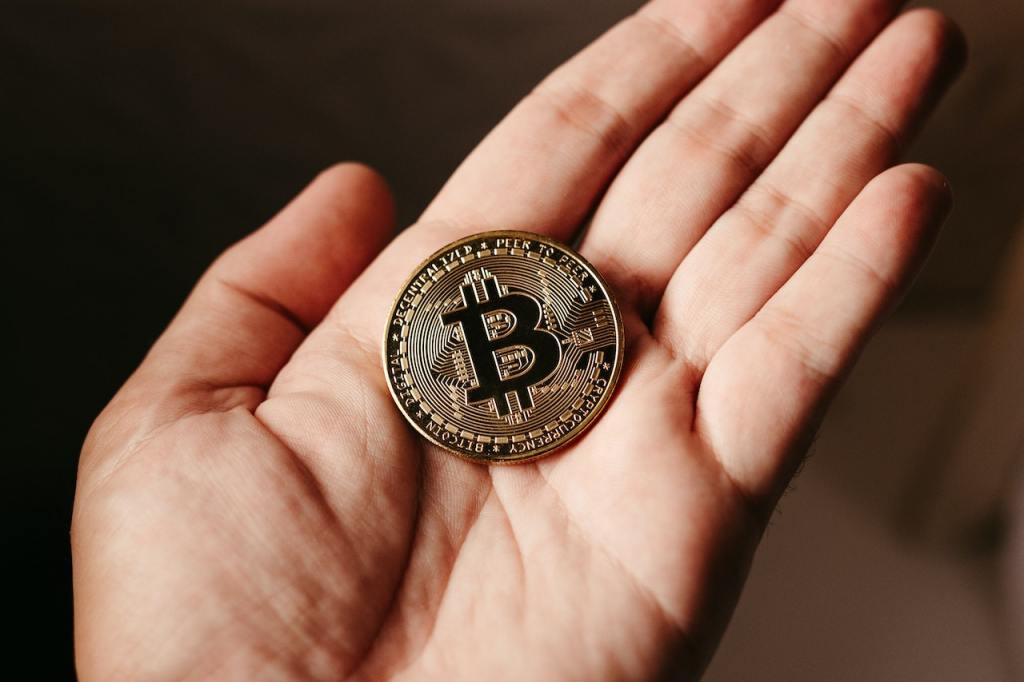
Bitcoin, the most popular cryptocurrency in the world, has been a hot topic of discussion among governments and financial institutions around the world. While some countries have embraced Bitcoin, others have been more hesitant to do so. In this article, we’ll explore the question of what government owns Bitcoin, and what the implications of government ownership could be for the future of cryptocurrency.
The Origins of Bitcoin
Before we dive into the topic of government ownership of Bitcoin, let’s first take a closer look at the origins of the cryptocurrency. Bitcoin was created in 2008 by an unknown person or group using the pseudonym Satoshi Nakamoto. Since then, Nakamoto’s true identity has remained a mystery.
Bitcoin is a decentralized currency, meaning that it is not controlled by any government or financial institution. Instead, Bitcoin transactions are processed through a decentralized network of computers around the world, known as the blockchain.
Which Governments Own Bitcoin?
So, which governments currently own Bitcoin? The answer is not entirely clear, as Bitcoin ownership is difficult to track due to its decentralized nature. However, there have been several reports over the years of governments and government agencies acquiring Bitcoin.
One of the most well-known examples of government Bitcoin ownership is the United States government. In 2013, the FBI seized 144,000 Bitcoins as part of an investigation into the Silk Road, a dark web marketplace that was used to buy and sell illegal drugs. The US government later auctioned off the seized Bitcoins, earning over $48 million in the process.
Another government that has been reported to own Bitcoin is Venezuela. In 2018, it was reported that the Venezuelan government was using Bitcoin to circumvent US sanctions and access international markets. However, these reports have not been confirmed, and it is unclear how much Bitcoin the Venezuelan government actually owns.
The Implications of Government Ownership
So, what are the implications of government ownership of Bitcoin? There are several potential benefits and drawbacks to consider.
One potential benefit is that government ownership of Bitcoin could help to legitimize the cryptocurrency in the eyes of the public. If governments were to publicly acknowledge and embrace Bitcoin, it could help to increase adoption and acceptance of the cryptocurrency.
Another potential benefit is that government ownership of Bitcoin could help to stabilize the cryptocurrency’s value. Bitcoin is known for its high volatility, and government ownership could potentially help to reduce this volatility by injecting stability into the market.
However, there are also several potential drawbacks to consider. One potential drawback is that government ownership of Bitcoin could lead to increased regulation and oversight of the cryptocurrency. This could potentially limit the freedom and autonomy that Bitcoin users currently enjoy.
Another potential drawback is that government ownership of Bitcoin could lead to increased centralization of the cryptocurrency. Bitcoin is currently a decentralized currency, meaning that it is not controlled by any government or financial institution. However, if governments were to acquire significant amounts of Bitcoin, they could potentially exert influence over the cryptocurrency’s development and direction.
Conclusion
In conclusion, the question of what government owns Bitcoin is a complex one. While it is difficult to track Bitcoin ownership due to its decentralized nature, there have been several reports over the years of governments and government agencies acquiring the cryptocurrency.
The implications of government ownership of Bitcoin are both complex and varied. While there are potential benefits, such as increased legitimacy and stability, there are also potential drawbacks, such as increased regulation and centralization.
So, what is the future of government ownership of Bitcoin? Only time will tell. As governments and financial institutions continue to grapple with the rise of cryptocurrency, it is likely that we will see continued debate and discussion around the topic of government ownership of Bitcoin.


 1Bitcoiner.com
Leave a comment