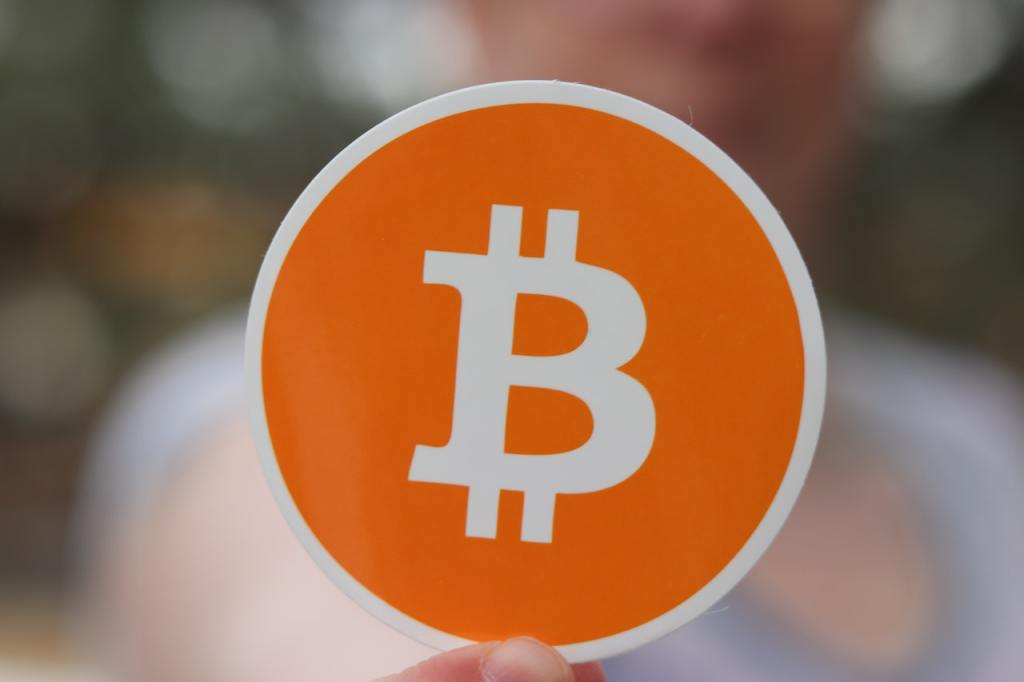
Are you one of the many who have heard about Bitcoin, but still don’t know what it looks like? In this article, we’ll dive deep into the physical appearance of the world’s most popular cryptocurrency.
The Truth About Bitcoin’s Physical Form
Let’s get one thing straight: Bitcoin is a digital currency and does not have a physical form. You can’t hold it in your hand or put it in your wallet. But that doesn’t mean it’s not valuable. In fact, Bitcoin’s value is determined by the market demand for it and its limited supply.
The Iconic Bitcoin Logo
Even though Bitcoin doesn’t have a physical form, it does have a recognizable logo that has become iconic in the world of cryptocurrency. The logo consists of the letters “B” and “T” in an orange circle. This logo is used to represent Bitcoin on cryptocurrency exchanges, wallets, and in the media.
Bitcoin Mining
Bitcoin is created through a process called mining, which involves solving complex mathematical equations. The miners who solve these equations are rewarded with newly created Bitcoins. These Bitcoins are then added to the blockchain, which is a digital ledger that records all Bitcoin transactions.
The Blockchain
The blockchain is the backbone of Bitcoin and is what makes it unique. It is a decentralized and transparent ledger that records every Bitcoin transaction ever made. This means that anyone can view the transactions, but they can’t alter them. The blockchain is maintained by a network of nodes that validate transactions and add them to the blockchain.
Bitcoin Wallets
Since Bitcoin is a digital currency, it needs to be stored in a digital wallet. There are several types of Bitcoin wallets, including hardware wallets, software wallets, and paper wallets. Hardware wallets are physical devices that store your private keys offline, while software wallets are digital applications that store your private keys on your computer or mobile device. Paper wallets are physical pieces of paper that contain your private keys.
Conclusion
In conclusion, while Bitcoin may not have a physical form, it has become an iconic symbol in the world of cryptocurrency. Its value is determined by market demand and its limited supply. The blockchain is what makes Bitcoin unique and is what allows it to be decentralized and transparent. And while you can’t hold a Bitcoin in your hand, you can store it in a digital wallet and watch its value grow.
So, the next time someone asks you what a Bitcoin looks like, you can confidently tell them that it may not have a physical form, but it has become an integral part of the digital world we live in today.


 1Bitcoiner.com
Leave a comment