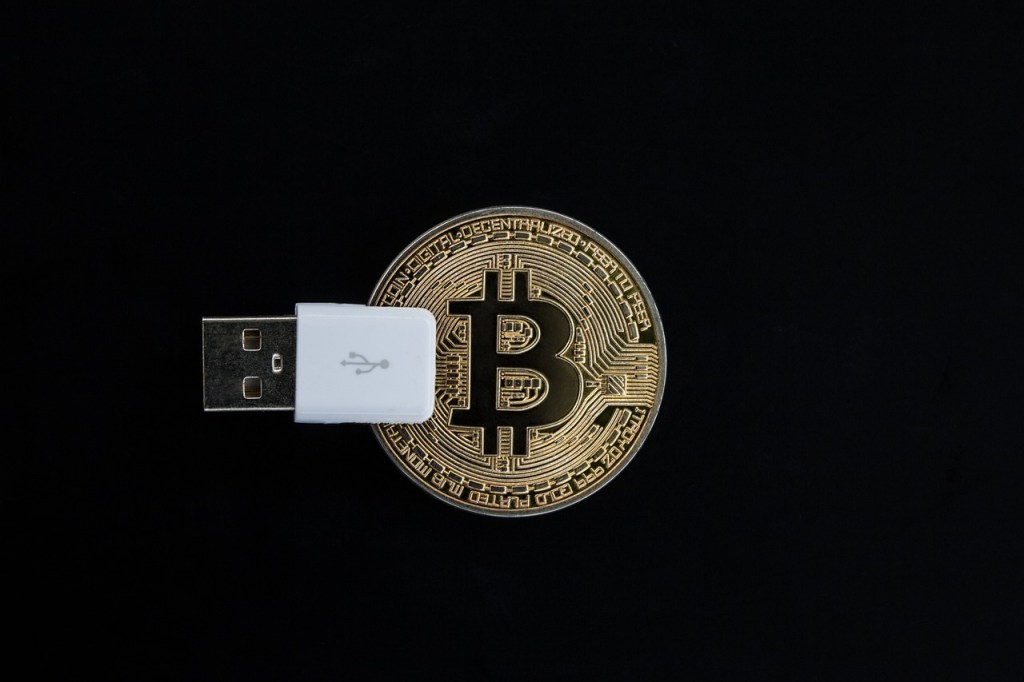
In the world of cryptocurrencies, security is of paramount importance. With the increasing popularity of digital assets like Bitcoin and Ethereum, the need for robust security measures to protect these assets has become essential. This is where hardware wallets come into play. In this comprehensive guide, we will explore the purpose and functionality of hardware wallets. Whether you’re a seasoned cryptocurrency investor or new to the world of digital assets, read on to discover how hardware wallets provide a secure and convenient solution for storing and managing your cryptocurrencies.
Understanding Hardware Wallets
Before we delve into the details, let’s start by understanding what a hardware wallet is. A hardware wallet, also known as a cryptocurrency wallet or cold wallet, is a physical device designed to securely store private keys, which are essential for accessing and managing cryptocurrencies. Unlike software wallets or online exchanges, which are susceptible to hacking and online threats, hardware wallets provide an offline and highly secure storage solution.
How Does a Hardware Wallet Work?
A hardware wallet works by generating and storing the private keys offline, away from potential online vulnerabilities. Let’s take a closer look at the key features and functionalities of hardware wallets:
1. Secure Private Key Storage
One of the primary functions of a hardware wallet is to securely store the private keys required to access and control your cryptocurrencies. The private keys are stored within the device itself and are never exposed to the internet or vulnerable software environments, minimizing the risk of unauthorized access or theft.
2. Offline Transaction Signing
When you want to initiate a transaction, the hardware wallet securely signs the transaction offline. This ensures that your private keys never leave the device, reducing the risk of interception by malicious actors. The signed transaction can then be broadcasted to the network using a connected device, such as a computer or smartphone.
3. Multi-Currency Support
Many hardware wallets support a wide range of cryptocurrencies, providing users with the flexibility to store and manage different digital assets in a single device. Popular cryptocurrencies such as Bitcoin, Ethereum, Litecoin, and more are often supported by hardware wallets, allowing users to diversify their holdings.
4. User-Friendly Interface
Hardware wallets are designed to be user-friendly, with intuitive interfaces that simplify the process of managing cryptocurrencies. They often come with companion applications or software that allow users to easily access and interact with their wallets, check balances, and initiate transactions.
5. Backup and Recovery Options
To ensure that you never lose access to your cryptocurrencies, hardware wallets offer backup and recovery options. These typically involve generating a recovery seed or mnemonic phrase, which can be used to restore access to your wallet in case the device is lost, damaged, or stolen.
Advantages of Using a Hardware Wallet
Using a hardware wallet offers numerous advantages compared to other storage methods. Let’s explore some of the key benefits:
- Enhanced Security: Hardware wallets provide an extra layer of security by keeping the private keys offline, away from potential online threats and hacking attempts.
- Protection against Malware: As hardware wallets perform transaction signing within the device itself, they protect against malware or keyloggers that may compromise the security of software wallets or online exchanges.
- User-Friendly Experience: With intuitive interfaces and companion applications, hardware wallets offer a user-friendly experience, making it easy for both beginners and experienced users to manage their cryptocurrencies.
- Multi-Currency Support: Hardware wallets often support a wide range of cryptocurrencies, enabling users to store and manage various digital assets in one device.
- Backup and Recovery: The backup and recovery options provided by hardware wallets ensure that you can regain access to your cryptocurrencies even if the device is lost or damaged.
Popular Hardware Wallets
Several hardware wallets are available in the market, each with its own set of features and specifications. Here are some popular choices among cryptocurrency enthusiasts:
| Hardware Wallet | Supported Cryptocurrencies | Additional Features |
|---|---|---|
| Ledger Nano S | Bitcoin, Ethereum, and more | OLED screen, backup options |
| Trezor Model T | Bitcoin, Ethereum, and more | Touchscreen, SD card slot |
| KeepKey | Bitcoin, Ethereum, and more | Large display, metal body |
| Coldcard | Bitcoin | Open-source, air-gapped |
Conclusion
In conclusion, a hardware wallet is an essential tool for anyone serious about securing their cryptocurrencies. With its offline storage, secure transaction signing, and user-friendly features, a hardware wallet offers peace of mind and protection against online threats. Whether you’re a long-term investor or an active trader, investing in a reliable hardware wallet is a wise decision to safeguard your digital assets. Remember, the world of cryptocurrencies is evolving rapidly, and prioritizing security is key to protecting your investments.


 1Bitcoiner.com
Leave a comment