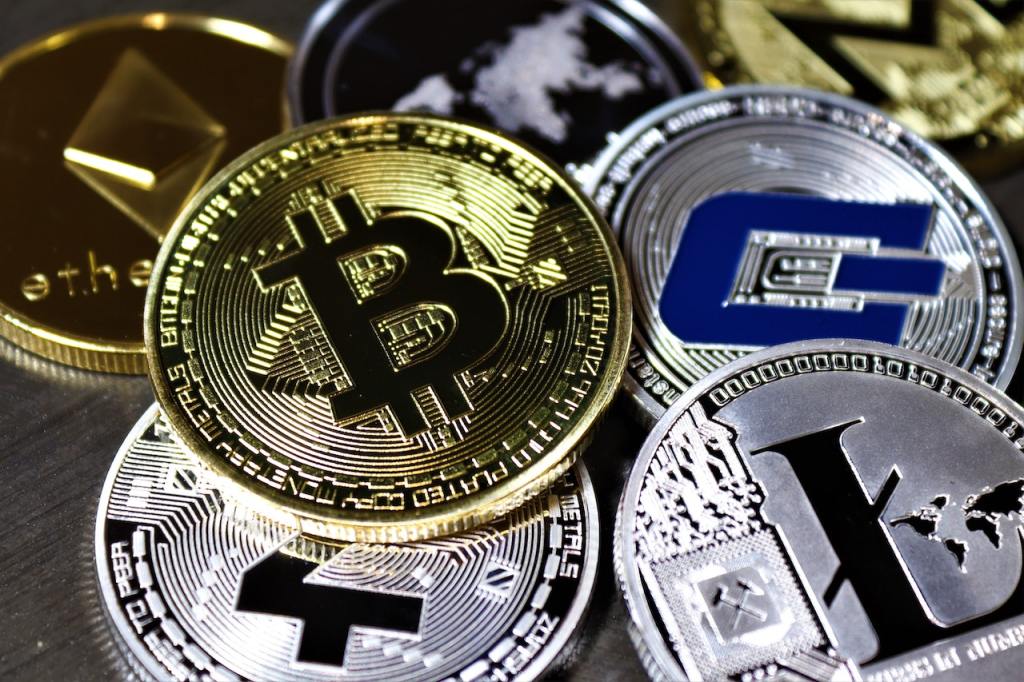
In recent times, the cryptocurrency market has experienced a significant downturn, with altcoins witnessing a substantial decline in prices. This article delves into the reasons behind the dump of crypto altcoins, explores its implications, and provides insights into the future price trends. Understanding these dynamics is crucial for investors and enthusiasts alike to navigate the volatile crypto market effectively.
1. Market Sentiment and Investor Behavior
Market sentiment plays a pivotal role in shaping the price movements of altcoins. During periods of uncertainty or negative news, investors tend to adopt a cautious approach, leading to increased selling pressure. Additionally, market sentiment can be influenced by factors such as regulatory developments, security breaches, or concerns over market manipulation.
The recent dump in altcoins can be attributed, in part, to the overall bearish sentiment prevailing in the market. Investors may be inclined to move away from riskier altcoins towards more established cryptocurrencies like Bitcoin or Ethereum, which are perceived as safer investment options.
2. Impact of Bitcoin Dominance
Bitcoin’s dominance in the cryptocurrency market often influences the performance of altcoins. When Bitcoin experiences significant price fluctuations, altcoins tend to follow suit. As Bitcoin remains the most widely recognized and traded cryptocurrency, its movements have a cascading effect on the market as a whole.
During periods of Bitcoin price corrections or increased volatility, altcoins often experience a dump due to the sentiment of uncertainty and the tendency of traders to move their assets into stable or well-established cryptocurrencies. Therefore, fluctuations in Bitcoin’s price can significantly impact the altcoin market.
3. Regulatory Environment and Legal Uncertainty
Regulatory developments and legal uncertainty surrounding cryptocurrencies can also contribute to the dumping of altcoins. Governments and regulatory bodies worldwide are still in the process of formulating comprehensive regulations for the cryptocurrency industry. Uncertainty regarding the legal status and regulatory framework for altcoins can create a sense of apprehension among investors, leading to sell-offs.
Moreover, instances of regulatory crackdowns or unfavorable rulings against specific altcoins or exchanges can trigger panic selling. Compliance requirements and the potential for stricter regulations may discourage investors from holding altcoins, further exacerbating the dumping effect.
4. Overvaluation and Market Correction
Altcoins have witnessed substantial growth in the past, with many experiencing meteoric rises in value. However, such rapid price appreciation can lead to overvaluation, creating a speculative bubble. When market participants perceive that altcoins have become overvalued, they may decide to sell their holdings, resulting in a market correction.
A market correction often entails a significant dump in altcoin prices as investors reassess their positions and take profits. This correction serves to stabilize the market and bring valuations back to more realistic levels. While painful for short-term investors, market corrections can contribute to the long-term health and sustainability of the cryptocurrency market.
5. Lack of Fundamental Value and Utility
The intrinsic value and utility of altcoins also play a crucial role in their price movements. While some altcoins offer innovative technologies or use cases, others may lack a compelling value proposition. Altcoins with weak fundamentals and limited adoption potential are more susceptible to dumping during market downturns or when investor sentiment turns negative.
Investors are increasingly scrutinizing altcoins for their real-world applications, partnerships, development progress, and community support. Projects that fail to demonstrate meaningful progress or fail to deliver on their promises may experience significant price drops as investors lose confidence.
Implications for the Crypto Market
The dumping of altcoins and the downward price pressure in the crypto market can have several implications:
- Investor Confidence: The dump of altcoins may lead to a loss of investor confidence in the broader crypto market. As investors witness substantial losses, they may become more risk-averse and hesitant to allocate funds to altcoins, potentially impacting the market’s overall liquidity.
- Market Consolidation: The dumping of altcoins can contribute to market consolidation, with investors flocking to more established cryptocurrencies. This consolidation may reinforce the dominance of leading cryptocurrencies such as Bitcoin and Ethereum, potentially widening the gap between them and smaller altcoins.
- Increased Scrutiny and Regulation: The dumping of altcoins during market downturns may attract increased scrutiny from regulatory bodies. Authorities might view excessive volatility and speculative behavior as indicators of market manipulation or investor vulnerability, leading to potential regulatory interventions.
- Selective Investment Opportunities: A bearish market presents an opportunity for investors to identify undervalued altcoins with solid fundamentals and promising use cases. During market dumps, diligent investors can seek out projects with strong development teams, real-world partnerships, and a clear roadmap for future growth.
Future Price Outlook
Predicting the future price movements of altcoins is challenging, given the inherent volatility of the cryptocurrency market. However, considering the causes and implications discussed above, the following trends may shape the future price outlook:
- Increased Stability: As the crypto market matures and regulatory clarity improves, altcoins may experience increased stability. Projects with strong fundamentals and real-world adoption potential may emerge as long-term winners, attracting more sustained investment.
- Differentiation of Projects: Investors are becoming more discerning, emphasizing the importance of project differentiation. Altcoins with unique value propositions, innovative technologies, and tangible use cases are more likely to weather market downturns and attract sustained interest.
- Industry Consolidation: The dumping of weaker altcoins may lead to market consolidation, with stronger projects absorbing market share. This consolidation can result in a more focused and resilient ecosystem, where the surviving projects demonstrate significant value and utility.
- Resurgence in Bull Market: After a period of market correction and price stabilization, the crypto market may witness a resurgence in a bull market. The cyclical nature of cryptocurrencies suggests that periods of bearish sentiment are often followed by periods of renewed optimism and price appreciation.
While the future price trajectory of altcoins remains uncertain, diligent research, understanding project fundamentals, and monitoring market trends can provide valuable insights for investors seeking opportunities in the crypto market.
The recent dumping of altcoins may not be specifically due to Robinhood delisting coins. While it is true that Robinhood announced the delisting of Solana (SOL), Cardano (ADA), and Polygon (MATIC) tokens in response to the Securities and Exchange Commission’s (SEC) lawsuits against Binance and Coinbase, there are other factors contributing to the dumping of altcoins.
Market sentiment, regulatory actions, and general market conditions play a significant role in the volatility and price movements of cryptocurrencies. The delisting of tokens by Robinhood may have some impact on the market, but it is not the sole factor driving the altcoin dumping.
Dumping of altcoins can also occur due to factors such as:
- Market Correction: The cryptocurrency market is highly volatile, and periods of market correction are not uncommon. After extended periods of price appreciation, investors may choose to take profits and sell their altcoin holdings, leading to a decline in prices.
- Bitcoin Dominance: Bitcoin’s dominance in the cryptocurrency market can influence the performance of altcoins. When Bitcoin experiences significant price movements, it often sets the overall market trend. If Bitcoin’s price declines, it can lead to a bearish sentiment, causing investors to sell altcoins as well.
- Regulatory Uncertainty: Regulatory actions and announcements can create uncertainty in the crypto market. As regulatory bodies scrutinize the industry and enforce compliance, it can impact investor confidence and lead to selling pressure on altcoins.
- Lack of Fundamental Value: Some altcoins may have experienced overvaluation or lack clear fundamental value. In such cases, market participants may choose to sell these altcoins, causing their prices to decline.
It’s important to consider the broader market dynamics and multiple factors at play when analyzing the dumping of altcoins. While Robinhood’s delisting of certain tokens may have contributed to the recent market movements, it is just one aspect of a complex ecosystem.
Conclusion
The recent dump of crypto altcoins and the subsequent decline in prices can be attributed to various factors, including market sentiment, Bitcoin dominance, regulatory environment, overvaluation, and lack of fundamental value. Understanding these causes and their implications is crucial for investors navigating the volatile crypto market. Looking ahead, increased stability, project differentiation, industry consolidation, and potential market resurgence may shape the future price trends of altcoins. However, as with any investment, thorough research, risk assessment, and careful decision-making are essential to navigate the evolving landscape of cryptocurrency investments.



 1Bitcoiner.com
Leave a comment