
Bitcoin, the digital gold of the modern age, recently experienced a wild ride, with its value dropping sharply from a peak of $71,000 to below $65,000 on April 12. This plunge wasn’t isolated; it mirrored a broader sell-off across various asset classes. Why did this happen, and what does it mean for investors?
The main culprits behind this downturn were heightened global economic uncertainties and geopolitical risks. Think of it as a storm brewing in the financial world, causing investors to become more cautious. This storm led to a wave of selling not just in cryptocurrencies like Bitcoin but also in traditional stocks and other assets.
Bitcoin’s value has since recovered somewhat, hovering around $67,300, but the shockwave was felt throughout the crypto market. Ethereum, the second-largest cryptocurrency, fell by 12%, and other altcoins like BNB, Solana, Cardano, Avalanche, and Bitcoin Cash recorded losses ranging from 15% to 20%.
The sharp decline also triggered a significant liquidation of leveraged positions, wiping out approximately $850 million in leveraged derivatives. This means that investors who had borrowed money to invest in cryptocurrencies faced substantial losses.
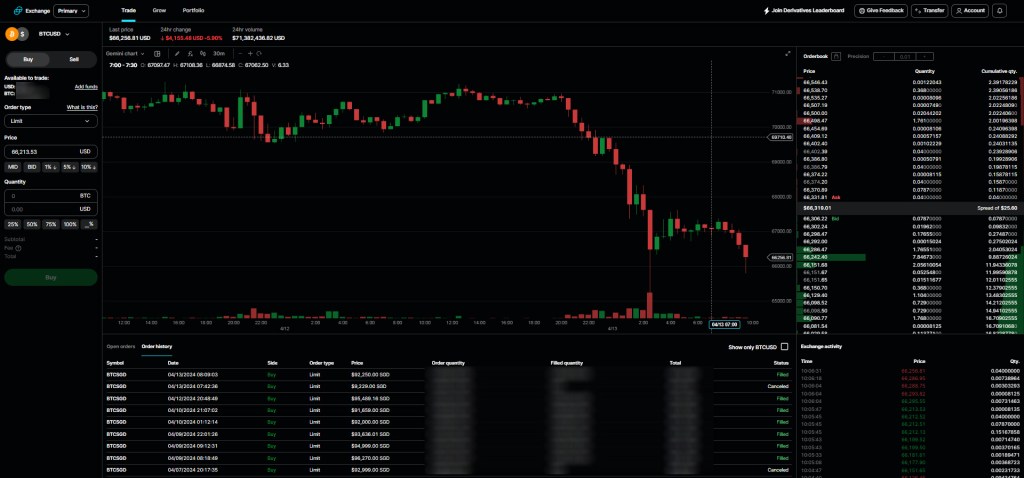
So, what’s the strategy in such turbulent times? Some seasoned investors see this as an opportunity to “buy the dip.” This means purchasing assets like Bitcoin when their prices are lower than usual, expecting them to bounce back in the long term. It’s like buying your favorite stock when it’s on sale.
However, this strategy comes with risks. Market volatility can continue, especially with the upcoming tax season adding another layer of uncertainty. Experts suggest setting alerts at specific price levels, like $60,000 and $74,000 for Bitcoin, to capitalize on potential opportunities or protect against further declines.
Despite the short-term fluctuations and market jitters, many remain optimistic about the long-term prospects of cryptocurrencies. They believe that factors like an easing monetary policy and geopolitical tensions easing could stabilize and even boost the crypto sector.
In conclusion, Bitcoin’s recent plunge amid global uncertainties is a reminder of the volatile nature of cryptocurrencies. For traders, it’s about understanding the risks, setting realistic expectations, and being prepared to ride out the storm while keeping an eye out for potential opportunities to buy low and sell high. As for investors like me, just buy the dip!



 1Bitcoiner.com
Leave a comment