In a world where digital assets like Bitcoin reign with their unassailable decentralization, Tether’s USDT stands as a centralized stablecoin, offering stability yet susceptible to freezing—a key difference that impacts how users perceive and utilize these assets.
What is USDT?
USDT, short for Tether’s USD-backed stablecoin, is designed to maintain a stable value equal to one US dollar. This stability makes it a popular choice for traders and investors looking to park their funds during market volatility.
The Mechanism of Freezing USDT
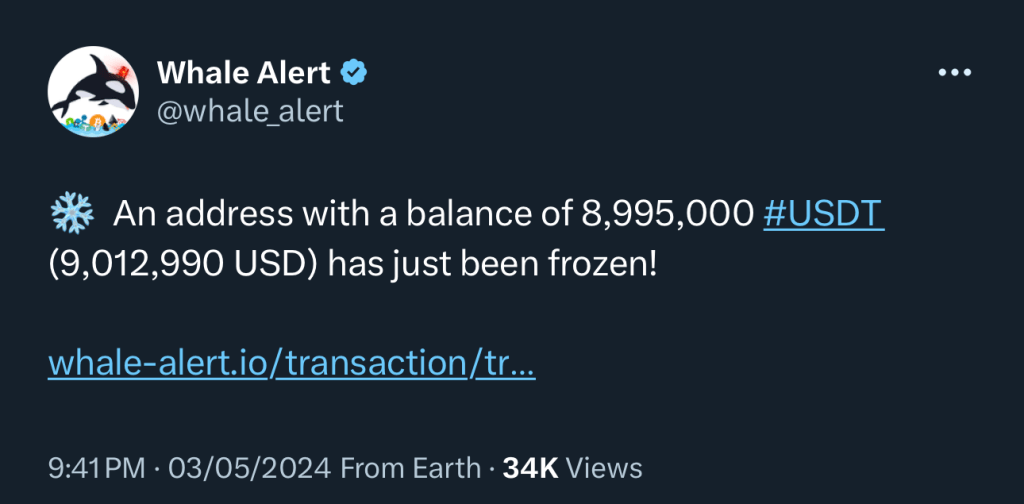
Tether has the authority to freeze USDT held in its wallets. This power stems from its centralized nature, where Tether acts as the issuer and custodian of USDT. When Tether detects suspicious or fraudulent activities associated with certain USDT addresses, it can freeze the funds held in those addresses.
Reasons for Freezing USDT
The primary motivation behind freezing USDT is to maintain trust and integrity within the Tether ecosystem. By freezing funds linked to illicit activities, Tether aims to protect legitimate users and uphold regulatory compliance.
Process of Freezing USDT
When Tether decides to freeze USDT, it typically follows a structured process. First, it identifies suspicious activities through various monitoring tools and algorithms. Once flagged, Tether conducts an investigation to validate the concerns. If the investigation confirms wrongdoing, Tether issues a freeze order on the affected USDT addresses, rendering the funds inaccessible.
Impact on Users
For users whose USDT gets frozen, the experience can be disruptive. They lose access to their funds temporarily or permanently, depending on the severity of the violation. This underscores the importance of using reputable wallets and platforms to avoid potential freezing issues.
Legal and Compliance Considerations
Tether’s ability to freeze USDT aligns with regulatory requirements and anti-money laundering (AML) standards. By taking swift action against illicit activities, Tether demonstrates its commitment to operating within legal frameworks and fostering a secure crypto environment.
Conclusion
Tether’s capability to freeze USDT plays a crucial role in maintaining trust, security, and regulatory compliance within its ecosystem. While this power may raise concerns about centralization, it also highlights the proactive measures taken to safeguard users and the broader crypto community. However, the fundamental difference remains—Bitcoin, with its decentralized nature, stands as an un-freezable asset, offering users unparalleled autonomy and control over their holdings. BUY BITCOIN!



 1Bitcoiner.com
Leave a comment