
Hey there! I’m still around and am alive. I’ve been keeping a low profile, just observing the recent wild swings in Bitcoin. As usual, I’ve been sticking to my DCA strategy, stacking as many Sats as I can. Hope your Bitcoin journey is going strong too. Here’s an update on mine.
Making the Transition: Standard to Hidden Wallet
Transitioning from a Standard Wallet to a Hidden Wallet can be a crucial step in bolstering your Bitcoin security. For those unfamiliar, a Hidden Wallet is an extra layer of protection in your Bitcoin storage, accessible only through a specific passphrase. It’s like having a secret compartment in a vault that only you know exists. During my own transition from a Standard Wallet to a Hidden Wallet, I also took the opportunity to consolidate my UTXOs (Unspent Transaction Outputs), which is an essential housekeeping task for any serious Bitcoin user.
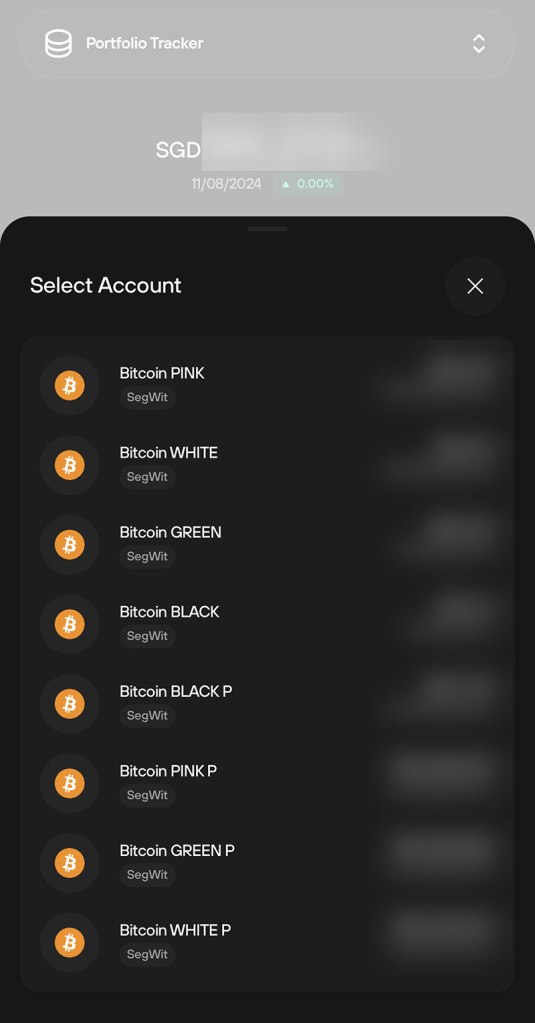
Why UTXO Consolidation Matters
UTXO consolidation involves combining smaller outputs (often referred to as “dust”) into larger, more manageable chunks. This is particularly important because, over time, your wallet can accumulate a large number of small UTXOs from various transactions, leading to higher transaction fees and slower processing times when you eventually decide to move your Bitcoin.

Fortunately, the transaction fees were incredibly low when I decided to make the switch, making it the perfect time to consolidate my UTXOs. Low fees mean you can combine these small amounts without incurring significant costs. In a typical high-fee environment, UTXO consolidation can become quite expensive, so it’s always a good idea to take advantage of these windows when they appear.
Leveraging Coin Control for Efficient Consolidation
One of the tools I used during this process was the ‘Coin Control’ feature in the software suite for my hardware wallet. Coin Control is a powerful feature that allows you to select specific UTXOs from your wallet to use in transactions. By doing so, you can consolidate smaller outputs into larger ones, reducing the number of UTXOs in your wallet and making future transactions more efficient.
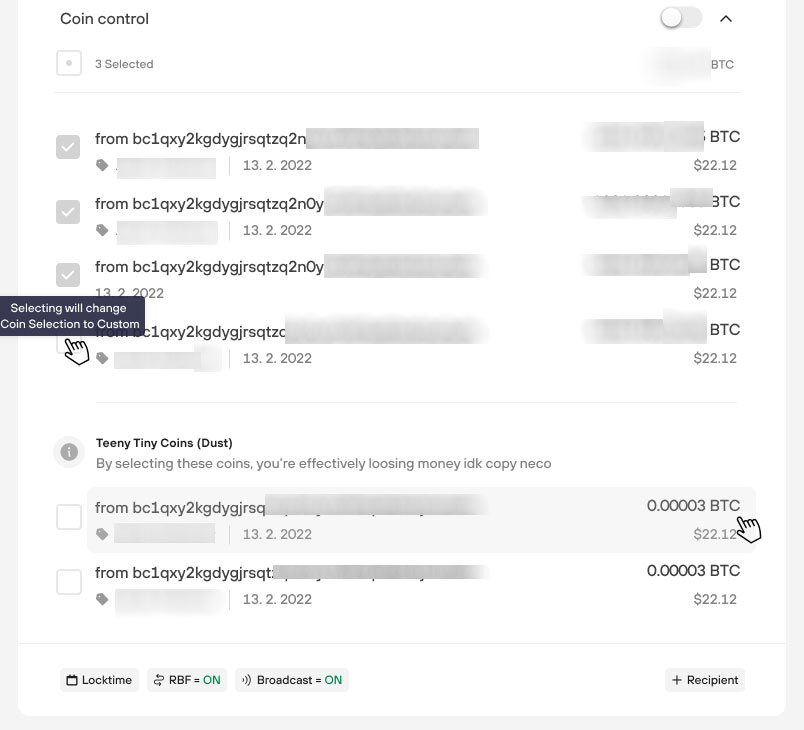
For my consolidation, I set a personal threshold of 1.2 million Sats (Satoshis) as the minimum amount I wanted each UTXO to contain. This means I aimed to combine any smaller UTXOs into units of at least 1.2 million Sats. This not only simplifies future transactions but also helps in maintaining a cleaner and more organized wallet.
Issues with Sparrow Wallet and Passphrased Wallets
While I usually rely on Sparrow Wallet for UTXO consolidation, I encountered an issue with detecting and opening wallets that are passphrase-enabled. Sparrow Wallet is an excellent tool for managing your Bitcoin, but this hiccup made the process a bit challenging. Passphrased wallets, while offering enhanced security, can sometimes introduce complexities that software tools are not fully equipped to handle smoothly.

If you also use passphrased wallets, it might be worth exploring alternative software solutions that can handle these types of wallets more efficiently. In my case, I had to switch to the hardware wallet’s native software suite, which fortunately supported Coin Control and allowed me to complete my UTXO consolidation without any major issues.
Final Thoughts
Consolidating your UTXOs during periods of low transaction fees is a smart move that can save you money and simplify your wallet management. Taking advantage of tools like Coin Control in your hardware wallet’s software can make this process more efficient, especially if you’re dealing with a significant number of small UTXOs.
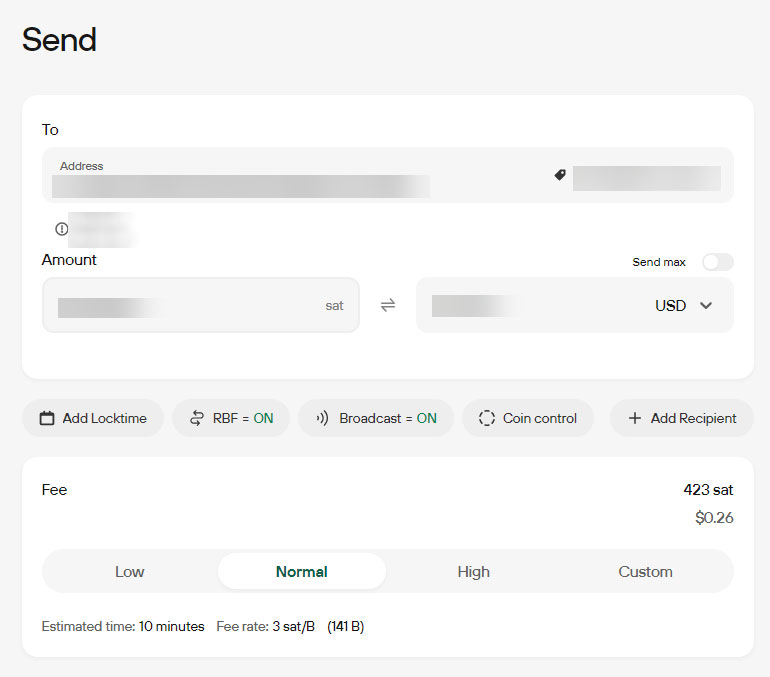
However, be aware of potential issues with passphrased wallets and ensure that the software you choose is compatible with your wallet setup. As always, maintaining a clean and organized wallet is key to managing your Bitcoin effectively, and UTXO consolidation is a crucial part of that process.



 1Bitcoiner.com
Leave a comment